How to Embrace New Learning Opportunities
How to Embrace New Learning Opportunities

In today’s fast-paced world, new learning opportunities are emerging constantly. Whether it’s through formal education, online courses, or informal experiences, the ability to embrace these opportunities is a key skill for personal and professional growth. The willingness to adapt and learn new things can help you stay competitive, relevant, and satisfied with your personal progress. … Read more

Building a Personal Learning Plan for Success

Building a Personal Learning Plan for Success

A personal learning plan (PLP) is an essential tool for students and professionals alike. It’s a roadmap that helps you set clear goals, stay on track, and continuously develop the skills and knowledge you need to achieve your personal and professional aspirations. By creating a well-organized learning plan, you can ensure that your learning process … Read more

The Importance of Creativity in Learning

Creativity is often viewed as a skill reserved for artists, musicians, and writers. However, its role in the learning process is far more expansive and crucial. Whether you are a student, a professional, or an individual looking to expand your knowledge, creativity can be the key to deeper understanding, enhanced problem-solving, and more effective learning experiences. In this article, we will explore why creativity is essential in learning and how you can cultivate it for more enriching educational outcomes. 1. Creativity Enhances Problem-Solving Skills One of the primary benefits of creativity in learning is its ability to enhance problem-solving skills. When you approach a problem with a creative mindset, you’re more likely to find innovative solutions that others might overlook. Traditional learning often encourages rote memorization or following set formulas. While this is useful in certain contexts, it doesn’t push individuals to think outside the box. By fostering creativity, you can approach challenges from different angles. Whether you are solving math problems, writing essays, or conducting experiments, creativity helps you adapt to situations and find unique solutions. This approach nurtures critical thinking, enabling you to consider a variety of methods and evaluate which one will be most effective. 2. Creativity Encourages Active Engagement Learning becomes more engaging when it incorporates creative methods. Instead of passively receiving information, creative learning encourages active participation. For example, rather than just reading a textbook, you might create a mind map, make a video, or build a project based on what you’ve learned. These activities require you to interact with the material on a deeper level, which improves retention and comprehension. Creative approaches like group discussions, role-playing, or hands-on learning allow students to take ownership of their education, making it more meaningful and enjoyable. When students actively engage with content in creative ways, they are more likely to remember what they’ve learned and apply it in practical scenarios. 3. Creativity Facilitates Personal Expression Every individual has a unique way of processing information, and creativity allows students to express what they’ve learned in their own way. Whether it’s through writing, drawing, speaking, or other forms of expression, creativity empowers individuals to share their insights in a manner that feels authentic to them. For example, a student who struggles with traditional essay writing might find it easier to express their understanding of a topic through a visual presentation or a podcast. This personal expression boosts confidence and allows learners to connect more deeply with the material. The freedom to express oneself creatively in learning provides a sense of ownership, which can be a powerful motivator. 4. Creativity Stimulates Emotional and Intellectual Growth Creativity does more than just engage the brain intellectually; it stimulates emotional growth as well. When you engage in creative activities, you tap into your emotions, which can make the learning experience more impactful. For example, writing a personal reflection or creating a piece of art inspired by a lesson can help you connect emotionally with the material, leading to a deeper understanding. Moreover, creative activities like brainstorming or mind mapping can help organize complex ideas, making them easier to digest. This dual stimulation of both emotional and intellectual aspects of learning not only enhances comprehension but also helps with long-term retention. 5. Creativity Encourages Risk-Taking and Resilience Incorporating creativity into the learning process encourages risk-taking, which is essential for growth. When students or learners are allowed to explore different ways to approach tasks, they may fail a few times before finding success. This process is crucial for building resilience and perseverance. The willingness to experiment with new methods, even if they don’t always work, leads to a better understanding of both the subject and the learning process. Failure is often seen as a negative outcome, but in a creative learning environment, it is viewed as a natural part of the process. By embracing failure, learners develop the resilience to keep going and try again, which is an essential life skill. 6. Creativity Promotes Collaboration and Communication Collaboration is a significant aspect of modern education and professional environments. Creative projects often require collaboration, which teaches students how to communicate their ideas, listen to others, and work as a team. Creative learning encourages group work, where diverse perspectives are valued and combined to form innovative ideas. For instance, group brainstorming sessions or collaborative projects help students develop social skills, empathy, and teamwork, all while learning to value and incorporate diverse ideas. The ability to collaborate and communicate effectively is crucial not only in education but also in the workplace. 7. Creativity Makes Learning More Enjoyable One of the most significant advantages of creativity in learning is that it makes the process more enjoyable. Traditional educational methods often focus on memorization, repetition, and testing, which can quickly become monotonous and disengaging. Creative learning, on the other hand, adds variety and excitement to the process, keeping learners interested and motivated. Whether it’s through interactive games, visual learning tools, or creative assignments, integrating creativity into learning makes the entire process more dynamic. Enjoying the learning experience leads to better retention and a more positive attitude toward education, making learners more inclined to continue learning in the future. 8. Creativity Fosters Lifelong Learning Creativity is also closely tied to lifelong learning. When students are encouraged to think creatively, they are not only learning specific content but also developing skills that will help them continue learning throughout their lives. Creativity nurtures curiosity, encourages exploration, and fosters a mindset of continuous improvement. Lifelong learners are adaptable, open to new ideas, and eager to expand their knowledge. Creative learning lays the foundation for this mindset by teaching students how to approach challenges with innovation and curiosity. In today’s fast-changing world, the ability to learn new things and adapt to new environments is more important than ever, and creativity is essential to that process. 9. Creativity Helps to Develop a Growth Mindset A growth mindset is the belief that abilities and intelligence can be developed over time through effort, learning, and perseverance. Creativity plays a significant role in fostering this mindset because it encourages learners to explore, experiment, and improve through trial and error. By making mistakes and learning from them, students develop a positive attitude toward challenges and setbacks, which is crucial for long-term success. When students view challenges as opportunities to grow, they are more likely to take on difficult tasks and continue pushing themselves, which is a vital part of the learning process. Conclusion Incorporating creativity into the learning process is not just about making education more enjoyable; it is about making it more effective. Creativity enhances problem-solving skills, fosters engagement, promotes personal expression, and develops resilience. It creates an environment where learners are encouraged to experiment, collaborate, and take risks, all while boosting emotional and intellectual growth. As educators, parents, or lifelong learners, it’s essential to recognize the value of creativity in learning. By fostering creativity in our educational practices, we can unlock the potential of every learner and equip them with the skills they need to succeed not just in school but throughout life.

Creativity is often viewed as a skill reserved for artists, musicians, and writers. However, its role in the learning process is far more expansive and crucial. Whether you are a student, a professional, or an individual looking to expand your knowledge, creativity can be the key to deeper understanding, enhanced problem-solving, and more effective learning … Read more

How to Build Confidence in Your Learning Journey

How to Build Confidence in Your Learning Journey

Confidence is a key component of success, especially when it comes to learning. Whether you’re tackling a new subject, learning a new skill, or preparing for an exam, building confidence in your learning journey can make all the difference. When you believe in your abilities, you’re more likely to push through challenges, embrace new opportunities, … Read more

How to Get Better at Learning from Mistakes

How to Get Better at Learning from Mistakes

Mistakes are an inevitable part of life and learning. While it’s easy to become discouraged after making a mistake, it’s essential to view them as valuable opportunities for growth. Learning from mistakes is a critical skill that not only improves your ability to succeed in the future but also strengthens your resilience, problem-solving abilities, and … Read more

The Role of Reflection in Lifelong Learning

Lifelong-Learning-and-Development

Lifelong learning is the continuous, voluntary pursuit of knowledge for personal or professional development. While many focus on acquiring new skills and information, reflection plays a crucial role in turning that knowledge into lasting growth. Reflection allows learners to evaluate their experiences, understand their strengths and weaknesses, and refine their learning strategies. In this article, … Read more

Why Every Student Should Develop a Growth Mindset

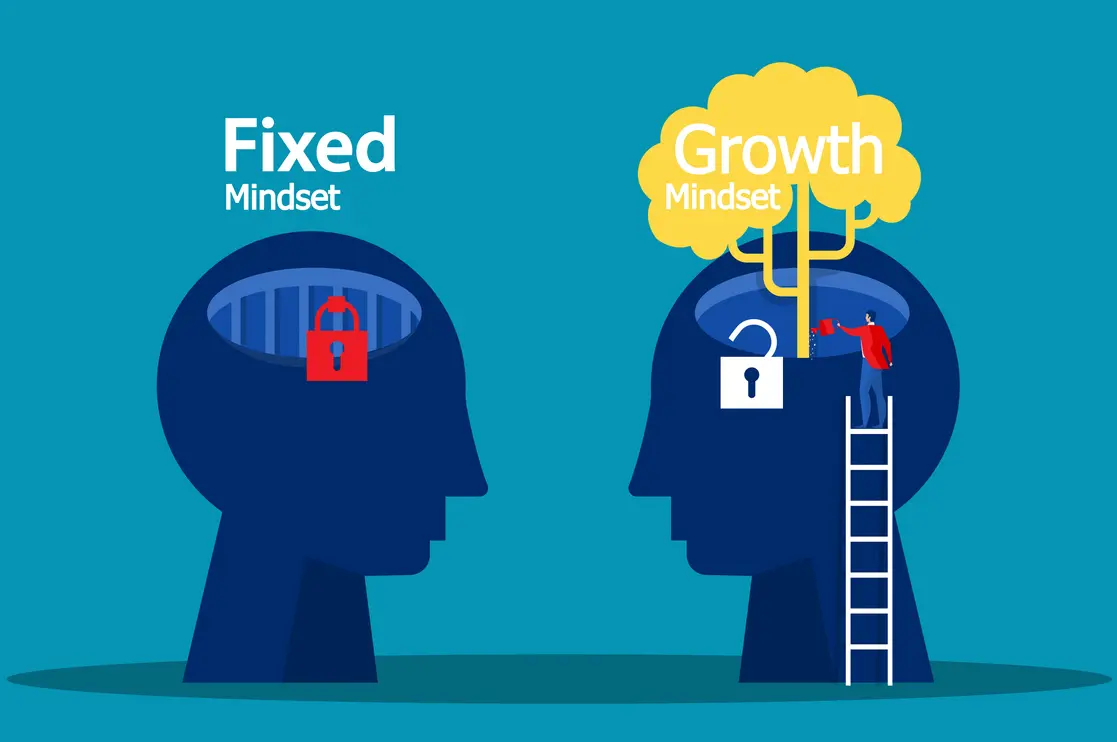
A growth mindset is the belief that abilities and intelligence can be developed through dedication, hard work, and perseverance. This concept, introduced by psychologist Carol Dweck, has become a cornerstone of modern education, emphasizing the importance of effort, resilience, and learning from mistakes. Developing a growth mindset can have a profound impact on a student’s … Read more

Career and Study Success: A Holistic Approach to Achieving Your Goals

Achieving success in both your career and studies requires a well-balanced approach that includes motivation, effective strategies, and a mindset geared towards growth and improvement. The connection between career success and academic achievement is often more direct than many realize. A strong foundation in study habits, time management, and personal growth not only aids in … Read more